| Background of Discussion
1
Skepticism about the modern educational system based on knowledge (curriculum) and national absoluteness, and fundamental challenges to education in which the values and experiences of the older generation are "delivered" to the next generation are accelerating.
2
The 4th Industrial Revolution, technological changes such as artificial intelligence, economic and social structures, and labor and lifestyle changes are occurring at the same time, resulting in the dissolution and re-establishment of teacher-student, government-school, school-community, and public-private relations.
In the midst of these huge changes, the 'crisis of education' is being revealed as the 'crisis of school' and 'crisis of teaching'.
1. How can we create a desirable and sustainable education and education system?
2. What is the new framework that encompasses rationalism (knowledge transfer), empiricism (training), and structuralism (composition) approaches?
3. Can the existing government-led education reform redefine the relationship between future-oriented educational subjects?
4. Has the existing system change or incentive reform consequently led to "real and positive changes in relationships between teachers and students in the classroom and mutual growth"? What are the achievements and limitations?
| The direction and challenges of
creating a new educational
innovation ecosystem
1
The "educational innovation ecosystem" can be used as an alternative way to draw practical changes in the school field and explain new relationships between educational subjects. The term "educational innovation ecosystem" means that individual entities with their ideas and resources exchange positive effects on each other through various interaction methods such as cooperation, support, learning, and competition, leading to the development and evolution of the entire ecosystem.
2
In the past, the boundaries between education and the market, schools and businesses were very strict, and their ecosystems were also intentionally separated. However, now they are evolving into organically connected ecosystems, and the time difference between individual subjects is also rapidly decreasing.
Within this ecosystem of mutual cooperation
First, students can find topics of interest on their own, build a more fun and social learning community, and reconstruct the teaching-learning environment independently.
Second, teachers should not only communicate subject knowledge, but also continuously and creatively think about the role of supporting the growth of individual students.
| Speaker
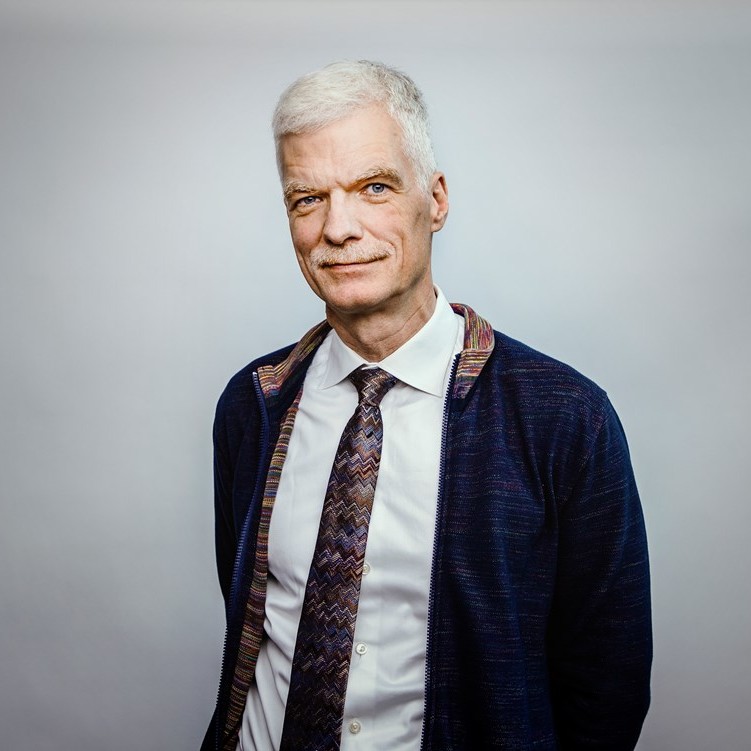
Andreas Schleicher
Director for Education and Skills at OECD
In the midst of these huge changes,
the 'crisis of education' is being revealed as the 'crisis of school' and 'crisis of teaching'.
1. How can we create a desirable and sustainable education and education system?
2. What is the new framework that encompasses rationalism (knowledge transfer),
empiricism (training), and structuralism (composition) approaches?
3. Can the existing government-led education reform redefine the relationship between future-oriented educational subjects?
4. Has the existing system change or incentive reform consequently led to
"real and positive changes in relationships between teachers and students in the classroom and mutual growth"?
What are the achievements and limitations?
Within this ecosystem of mutual cooperation
First, students can find topics of interest on their own, build a more fun and social learning community,
and reconstruct the teaching-learning environment independently.
Second, teachers should not only communicate subject knowledge,
but also continuously and creatively think about the role of supporting the growth of individual students.
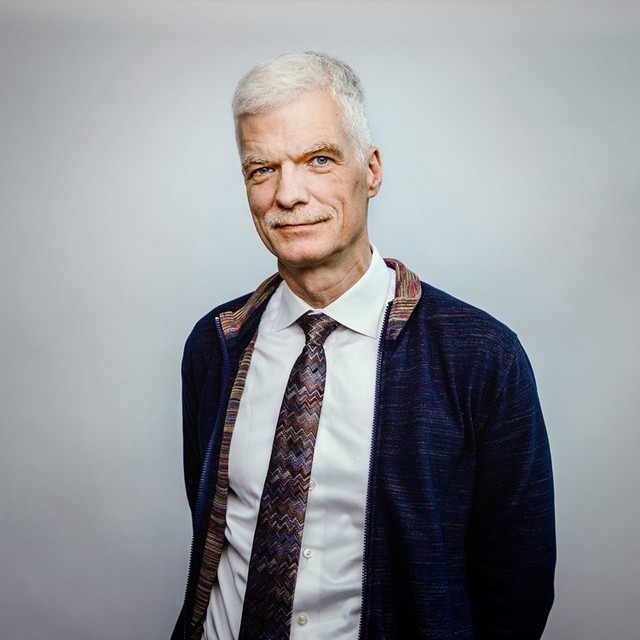
Andreas Schleicher
Director for Education and Skills at OECD
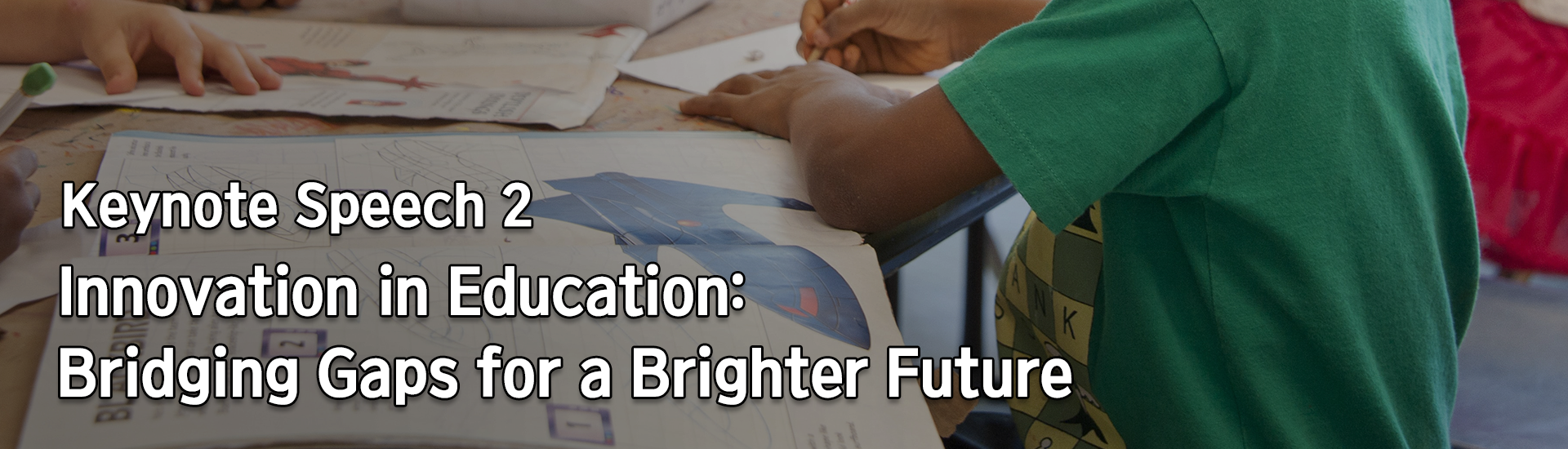
| Background of Discussion
Innovation serves as the key to unlocking new horizons in education, transcending the traditional classroom boundaries. This global conversation unites nations in a shared quest for knowledge and enlightenment, especially crucial in a rapidly changing world. Fostering an ecosystem of educational innovation becomes paramount to ensure that transformative education is accessible to every learner, regardless of their background.
While people often associate innovation with advanced technologies, innovation in education encompasses much more. This is especially true for developing countries like the Philippines, where the digital divide persists. We must first find innovative ways to break down barriers in terms of access, quality, and equity. When we rely on advanced technology to implement education reforms, we risk denying the most disadvantaged students the opportunity to benefit from the innovation.
Whether advanced technology is involved or not, innovation in education always centers around the learner. It acts as the bridge connecting cutting-edge teaching methods with cultural heritage, effectively addressing universal challenges like resource limitations, infrastructure gaps, and socio-economic disparities experienced across nations.
Education itself acts as a catalyst for inclusivity, empowering marginalized groups to access quality learning. Through innovation, education becomes the bridge that uplifts underprivileged areas, narrows socio-economic divides, and levels the playing field for learners from diverse backgrounds.
The Philippines, being the President of the Southeast Asian Ministers of Education Organization (SEAMEO) for the years 2023–2025, and an active member of the ASEAN Educators Ministers’ Meeting (ASED), underscores its dedication to the advancement of inclusive educational initiatives and commitment to fostering collaboration and knowledge exchange among nations.
In this interconnected world, collaboration among nations has become imperative. The challenges and opportunities in education recognize no borders, necessitating a unified response to shape a brighter, more equitable future.
| Speaker
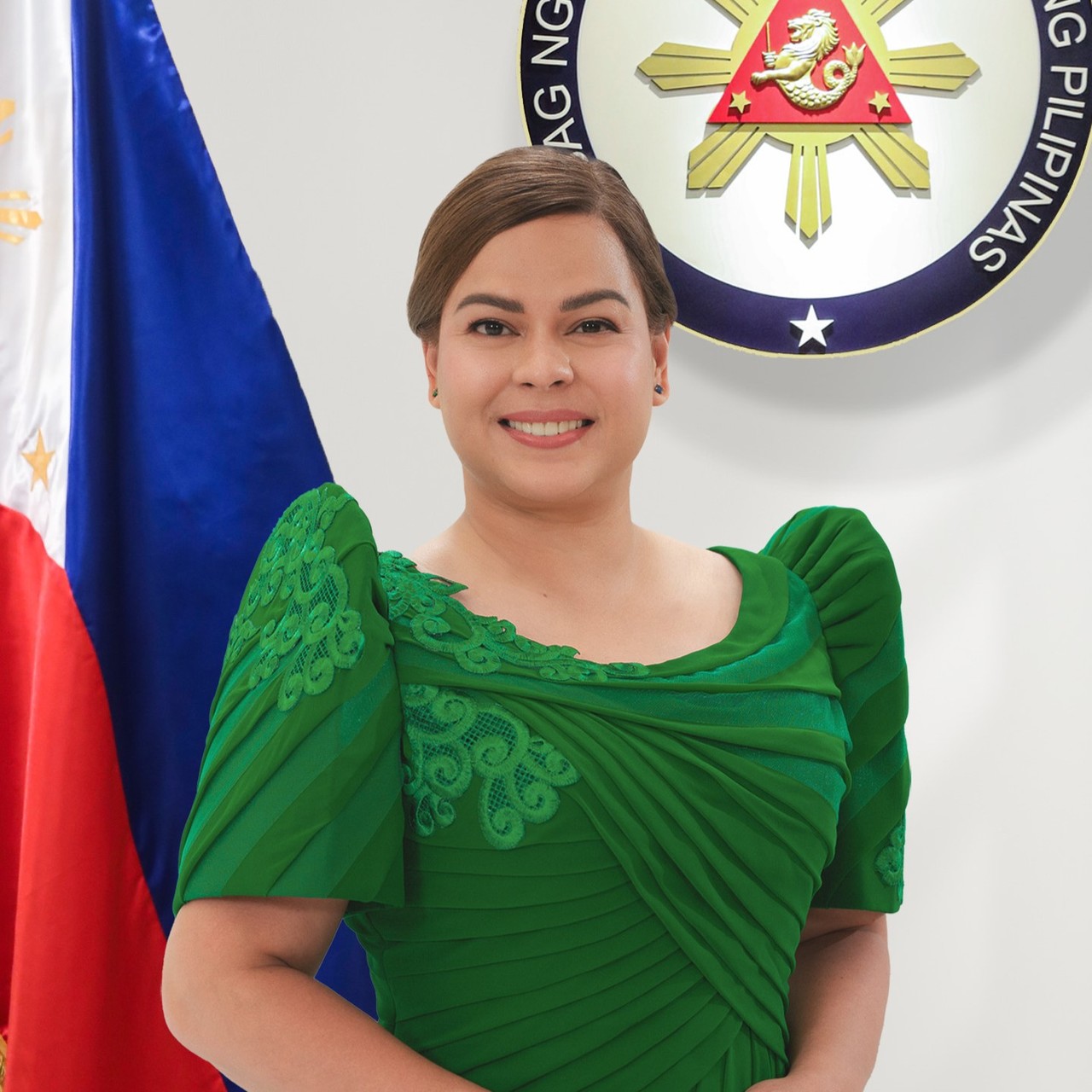
Sara Z. Duterte
Vice President and Secretary of Education in the Philippines
Innovation serves as the key to unlocking new horizons in education, transcending the traditional classroom boundaries. This global conversation unites nations in a shared quest for knowledge and enlightenment, especially crucial in a rapidly changing world. Fostering an ecosystem of educational innovation becomes paramount to ensure that transformative education is accessible to every learner, regardless of their background.
While people often associate innovation with advanced technologies, innovation in education encompasses much more.
This is especially true for developing countries like the Philippines, where the digital divide persists. We must first find innovative ways to break down barriers in terms of access, quality, and equity.
When we rely on advanced technology to implement education reforms, we risk denying the most disadvantaged students the opportunity to benefit from the innovation.
Whether advanced technology is involved or not, innovation in education always centers around the learner. It acts as the bridge connecting cutting-edge teaching methods with cultural heritage, effectively addressing universal challenges like resource limitations, infrastructure gaps, and socio-economic disparities experienced across nations.
Education itself acts as a catalyst for inclusivity, empowering marginalized groups to access quality learning. Through innovation, education becomes the bridge that uplifts underprivileged areas, narrows socio-economic divides, and levels the playing field for learners from diverse backgrounds.
The Philippines, being the President of the Southeast Asian Ministers of Education Organization (SEAMEO) for the years 2023–2025, and an active member of the ASEAN Educators Ministers’ Meeting (ASED), underscores its dedication to the advancement of inclusive educational initiatives and commitment to fostering collaboration and knowledge exchange among nations.
In this interconnected world, collaboration among nations has become imperative. The challenges and opportunities in education recognize no borders, necessitating a unified response to shape a brighter, more equitable future.
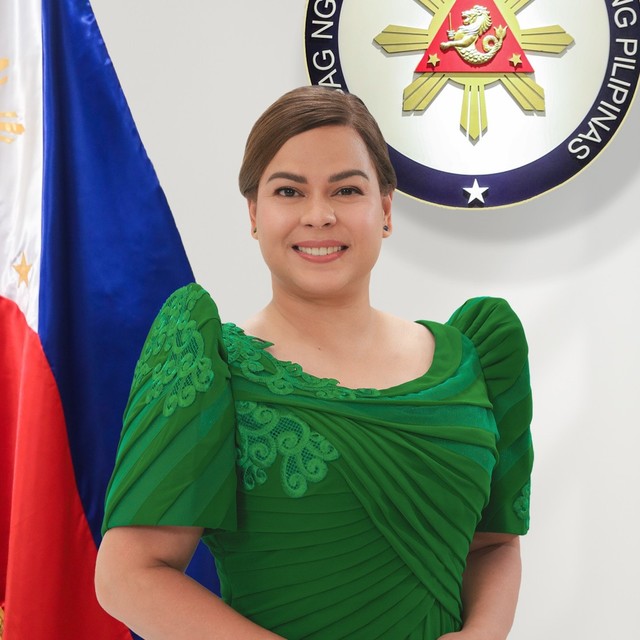
Sara Z. Duterte
Vice President and Secretary of Education in the Philippines