| Background of Discussion
This session invites education ministers to examine the potential of digital education in bridging the education gap through various countries' perspectives and cases. It also explores the role of teachers as agents of classroom innovation in collaboration with technology, and discusses policy implications and support measures for sustainable implementation of the new approach.
| Session Objectives

This session aims to...
1. Explore how emerging technologies, including AI, may enhance or hinder education equity and quality
2. Share promising practices and lessons learned about how AI transforms education through personalized learning to enhance inclusive and equitable quality education
3. Discuss the evolving roles of key education stakeholders, such as teachers, students, leaders, parents and industry partners, in the context of innovative AI-supported classrooms
4. Share and envision effective education policies and strategies (technology infrastructure, hardware and systems, professional development, curriculum and assessment reforms, learner support, and partnership) to drive and support AI-supported teaching and learning

| Discussion Points
1
Discuss how emerging technologies such as AI will transform the future of education with respect to equity and quality, identifying the challenges that future education will face, and exploring educational policies and support measures to take up opportunities of emerging technologies and address challenges.
2
Discuss the evolving roles of key stakeholders in the innovative future classroom, including teachers, students, leaders, parents, industry partners, and AI, and explore strategies and actionable plans to facilitate effective partnerships and engagements among these stakeholders.
| Speaker

[Moderator]
Susan Hopgood
Former President of Education International(EI)

Innovation in Educational Governance and Finance
This session examines the problems of the current system in which superintendents of education and provincial governors are elected separately, and explores possible alternatives.
It critically reviews the imbalance in educational spending—where per capita investment in primary and secondary education exceeds the OECD average, while spending on higher and lifelong education remains below it—and discusses policy responses.

- Highlights the rationale behind holding separate elections for provincial governors and superintendents of education.
- Critically examines whether students and parents should be regarded as distinct stakeholders from the general electorate.
- Discusses the reversal in per capita spending between primary/secondary education and higher education, and explores possible solutions.
- Explores ways to build collaborative governance that includes diverse stakeholders.
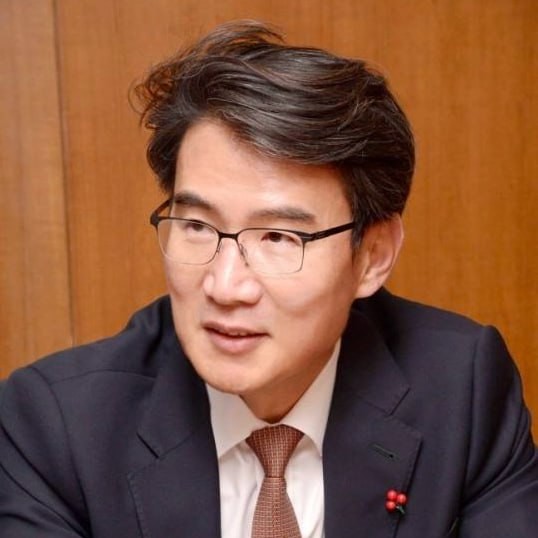
[Moderator]
Jung-Soo Park
Vice President at Ewha Womans University

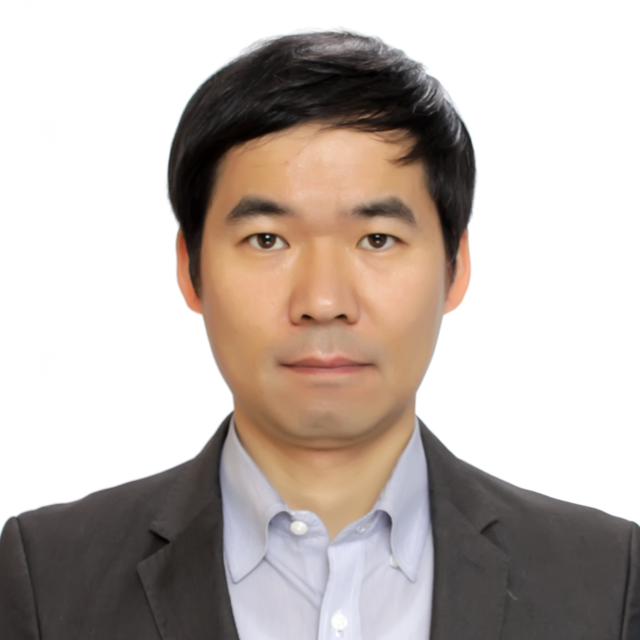
[Presenter]
Hag-Soo Kim
Senior Research Fellow at the Korea Development Institute (KDI)
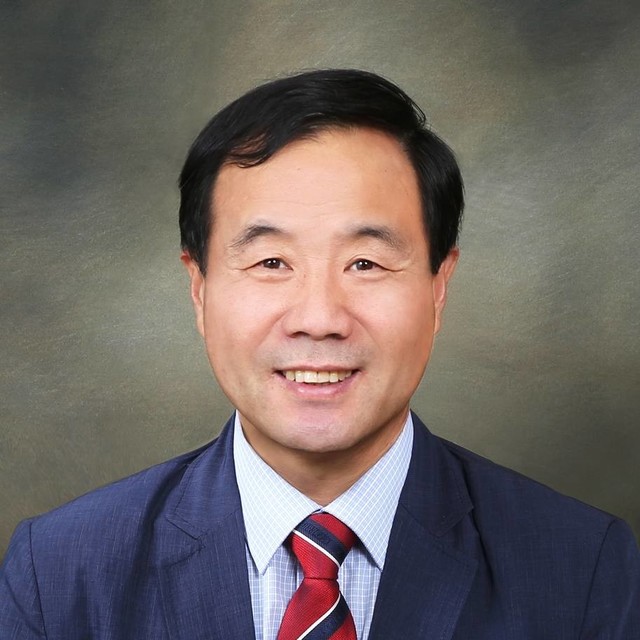
[Panel]
Young-Chul Kim
Professor of Economics at Sogang University
[Panel]
Hyun-Seok Shin
Professor of Education at Korea University
[Panel]
Won-Hak Lee
Senior Research Fellow of the Kangwon Research Institute