| Background of Discussion
This session shares the outlook on classroom innovation based on AI in schools, including the current status of AI digital textbooks in Korea. It explores changes in school environments and discusses strategies for teacher training to better support the development of higher-order thinking skills such as autonomy, empathy, collaboration, and metacognition of individual students.
| Session Objectives

This session aims to...
1. Share cases of AI digital textbook use in Korea and discuss ways to utilize AI in classrooms and the effects.
2. Discuss strategies to enhance student competencies and provide personalized education and emotional support through the use of AI.
3. Explore ways and strategies to enhance(pre-service) teachers' competencies in AI-supported teaching and instructional design.

| Contents of Discussion
1
- Discuss the possibilities and future directions based on the current status of AI digital textbooks.
- Explore the implementation of AI-based learning and ways to enhance learner competencies.
2
- Explore the possibilities of AI-based teaching methods and practical strategies for implementation in the classroom.
- Share examples of enhanced learner competencies (self-directed learning, empathy, collaboration, and metacognition, etc.) through AI-based learning and explore ways to further strengthen these competencies.
- Discuss ways to use AI technology to provide personalized learning tailored to individual students' needs and levels.
3
- Discuss support measures to enhance AI-supported teaching competencies.
- Explore methods to establish a sustainable system to strengthen teacher competencies and create a continuous training system.
| Speaker

[Moderator]
Lim, Cher Ping
Chair Professor of the Education University of Hong Kong

[Presenter]
Youngju Heo
Teacher, Gyeonggi High School of Automotive Science

[Panel]
Gabriella Veglio
Assistant Head Teacher of the Kingston Academy, UK

Tan Seng Chee
Associate Dean of NTU, Singapore

The Basic Academic Skills Crisis and the Role of the Classroom
This session explores the role of public education in the age of AI and seeks way to restore and strengthen the public education system.
It also examines the deep-seated issue of academic polarization and critically analyzes the actual impact of private education on student achievement.

- Investigates strategies to overcome the widespread reliance on private education and the growing academic polarization.
- Discusses the impact of demographic changes and curriculum reform on classroom learning.
- Identifies the causes of declining teacher morale and explores potential solutions.
- Explores strategies for diagnosing student competencies and providing tailored support for students falling below basic academic standards.
- How to achieve a balanced approach to character education, physical development, and academic performance.
- Investigates the correlation between private education and actual academic achievement.
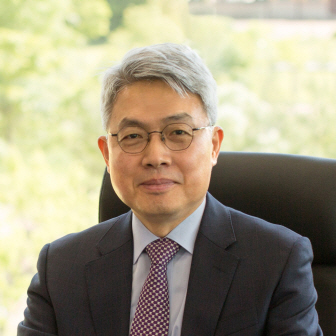
[Moderator]
Young-Sun Koh
President of the Korean Educational Development Institute
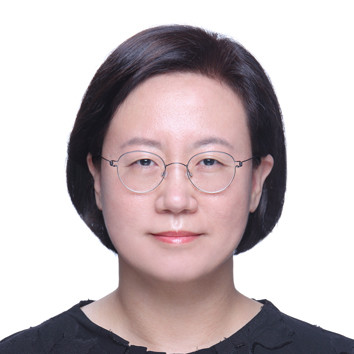
[Presenter]
Hyun-Jeong Park
Professor of Education at Seoul National University
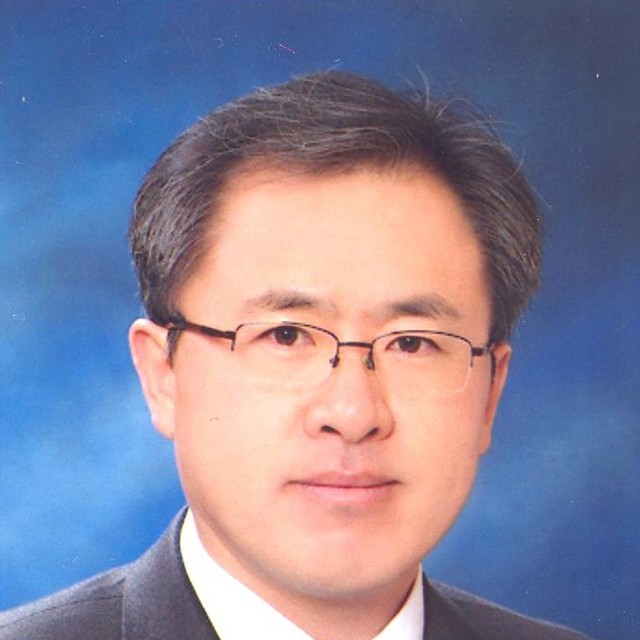
[Panel]
Hong-Rae Kim
Professor of Computer Education at Chuncheon National University of Education
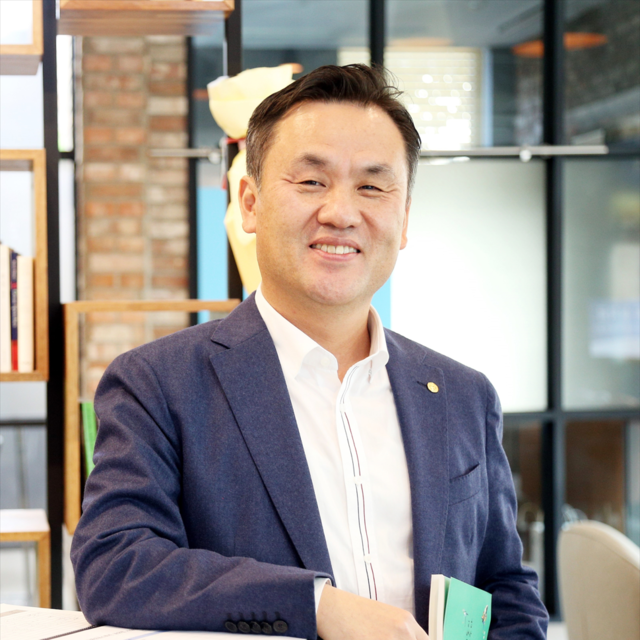
[Panel]
Sang-Hoon Bae
Professor of Education at Sungkyunkwan University

[Panel]
Jeong-Yeon Lim
Teacher of Seoul Yangjae Elementary School
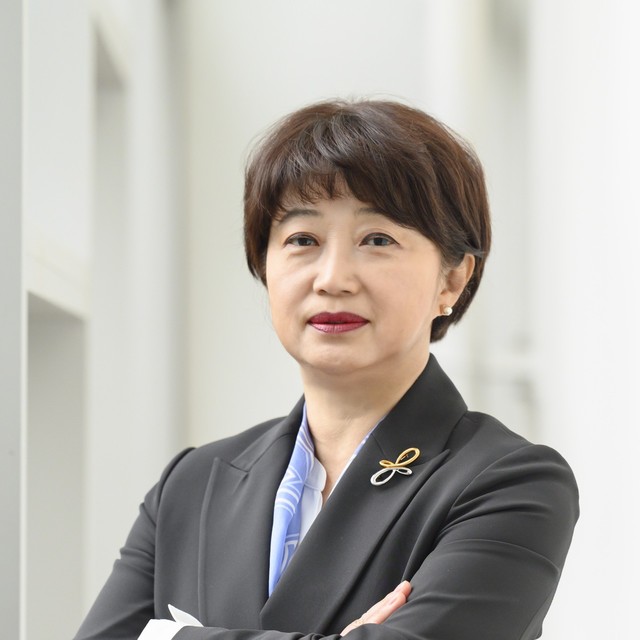
[Panel]
You-Kyung Han
Professor of Education at Ewha Womans University