| Background of Discussion
This session shares the outlook on classroom innovation based on AI in schools, including the current status of AI digital textbooks in Korea. It explores changes in school environments and discusses strategies for teacher training to better support the development of higher-order thinking skills such as autonomy, empathy, collaboration, and metacognition of individual students.
| Session Objectives

This session aims to...
1. Share cases of AI digital textbook use in Korea and discuss ways to utilize AI in classrooms and the effects.
2. Discuss strategies to enhance student competencies and provide personalized education and emotional support through the use of AI.
3. Explore ways and strategies to enhance(pre-service) teachers' competencies in AI-supported teaching and instructional design.

| Contents of Discussion
1
- Discuss the possibilities and future directions based on the current status of AI digital textbooks.
- Explore the implementation of AI-based learning and ways to enhance learner competencies.
2
- Explore the possibilities of AI-based teaching methods and practical strategies for implementation in the classroom.
- Share examples of enhanced learner competencies (self-directed learning, empathy, collaboration, and metacognition, etc.) through AI-based learning and explore ways to further strengthen these competencies.
- Discuss ways to use AI technology to provide personalized learning tailored to individual students' needs and levels.
3
- Discuss support measures to enhance AI-supported teaching competencies.
- Explore methods to establish a sustainable system to strengthen teacher competencies and create a continuous training system.
| Speaker
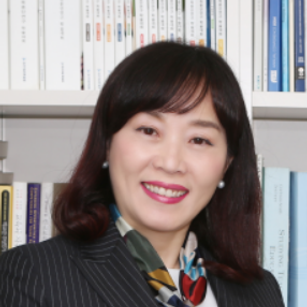
[Moderator]
Ee-gyeong Kim
Professor at Chung-Ang University
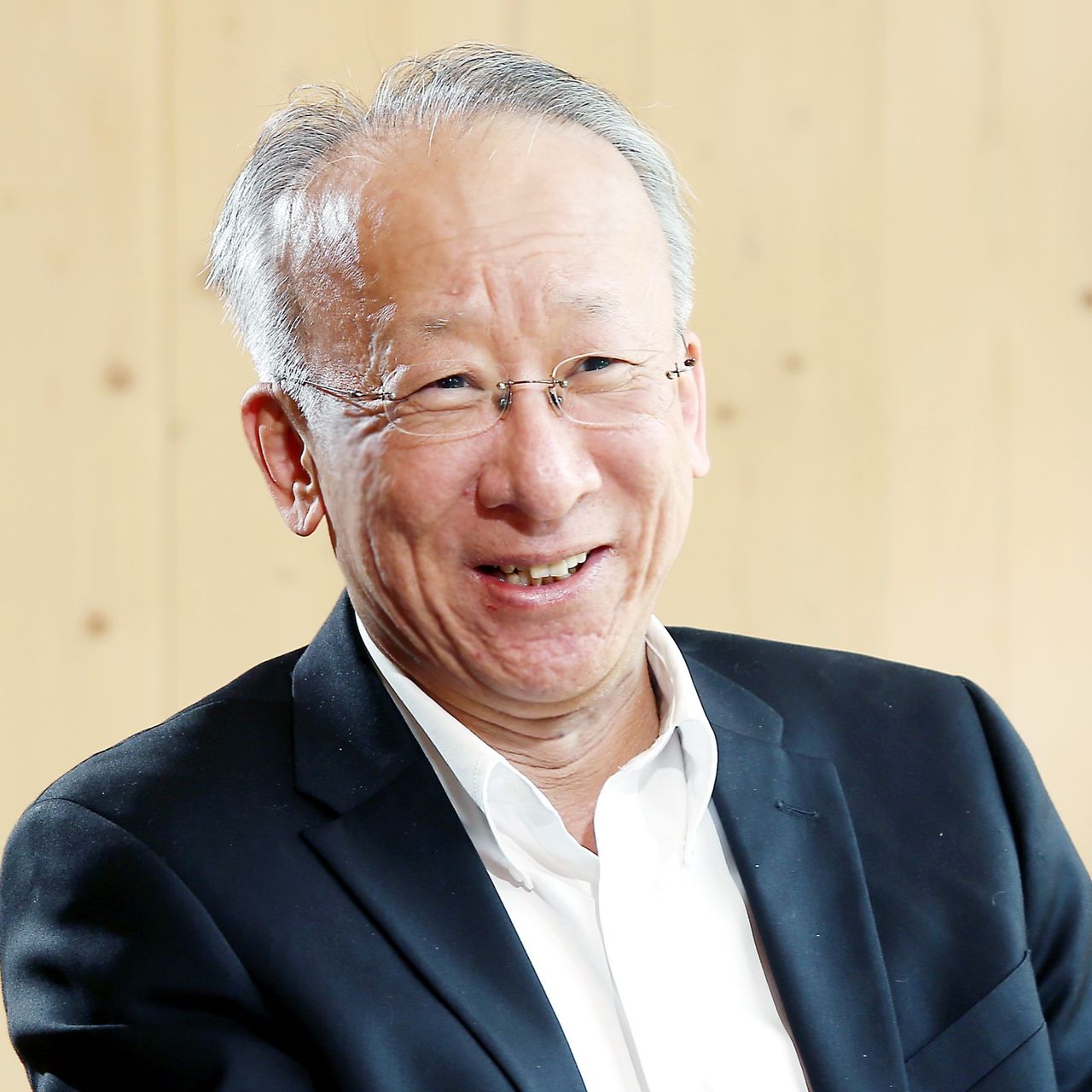
[Presenter]
Peck Cho
Distinguished Professor, Korea University
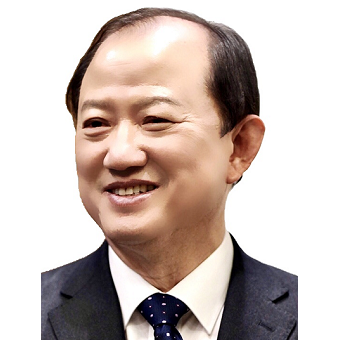
[Panel]
Kyung Hwoi Kim
Standing Commissioner, National Education Commission of Korea
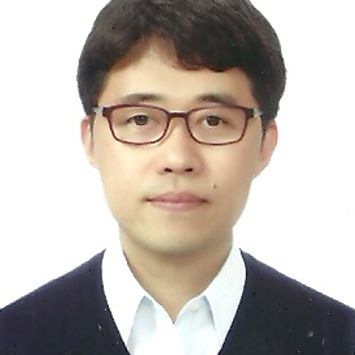
Sang Jin An
Vice President of Gyoyook-eui-bom Foundation
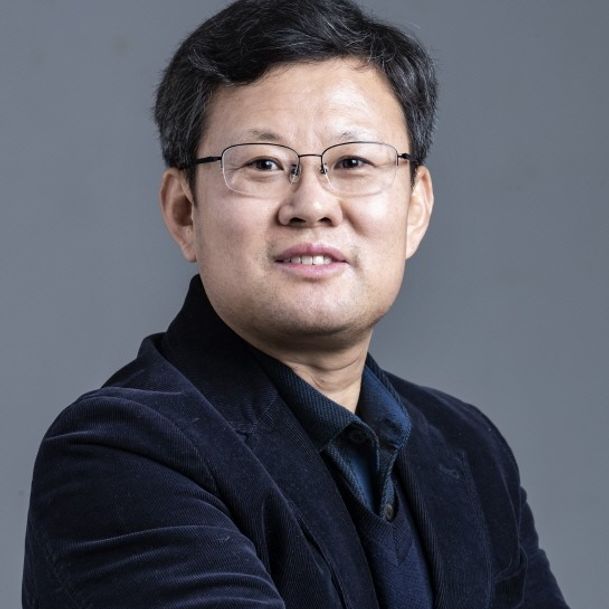
Young Yu Yang
Distinguished Professor, Department of Media & Communication, Dankook University

The Inertia of Korean Education
This session examines why Korea's education system remains stuck, and what's holding back reform. The goal: shift from a system built on competition and selection to one built on individual growth.

Education should come first, then assessment, then selection. In Korea, that order has flipped — selection now drives everything, and passing the test has replaced actual learning as the goal.
Korean education has focused on transmitting knowledge and finding right answers. This topic explores why we need to teach questioning, judgment, and application instead.
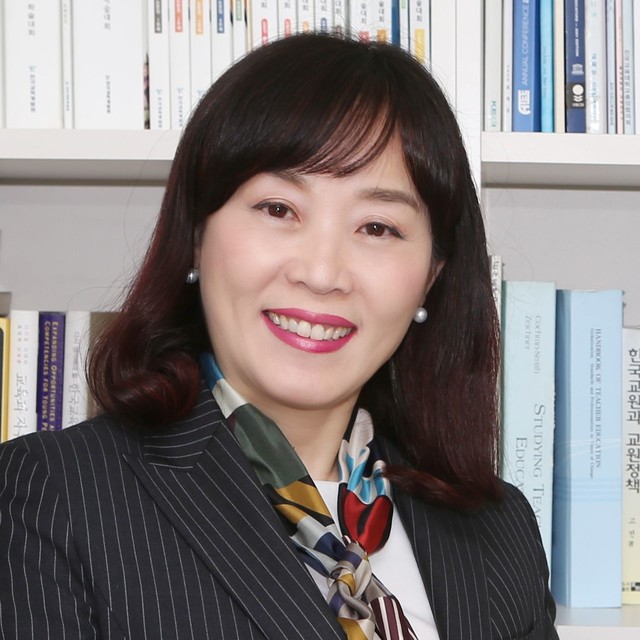
[Moderator]
Ee-gyeong Kim
Professor at Chung-Ang University
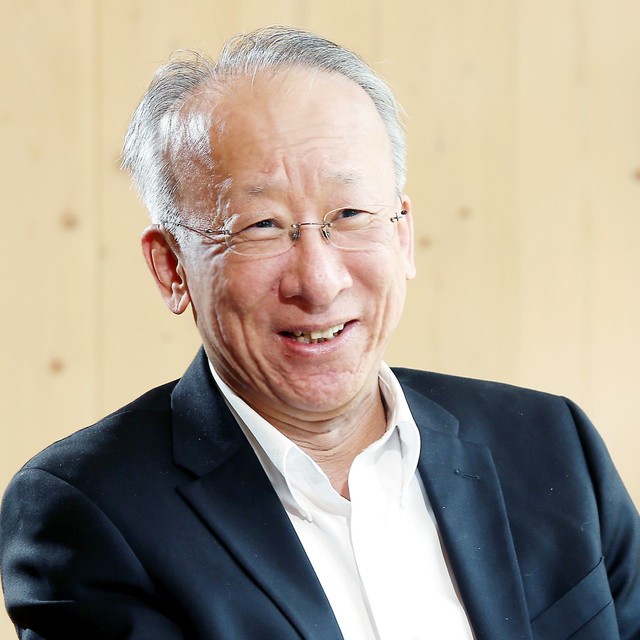
[Presenter]
Peck Cho
Distinguished Professor at the Institute of General Education of Korea University
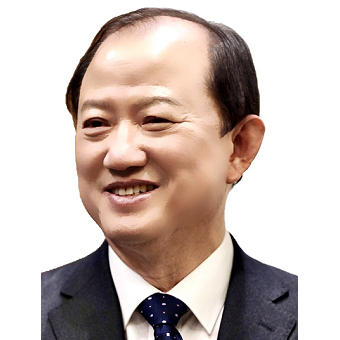
[Panel]
Kyung Hwoi Kim
Standing Commissioner of the National Education Commission of Korea
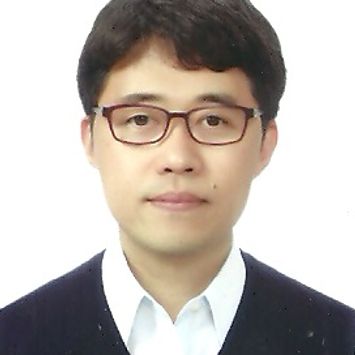
[Panel]
Sangjin An
Vice President of the Gyoyook-eui-bom Foundation
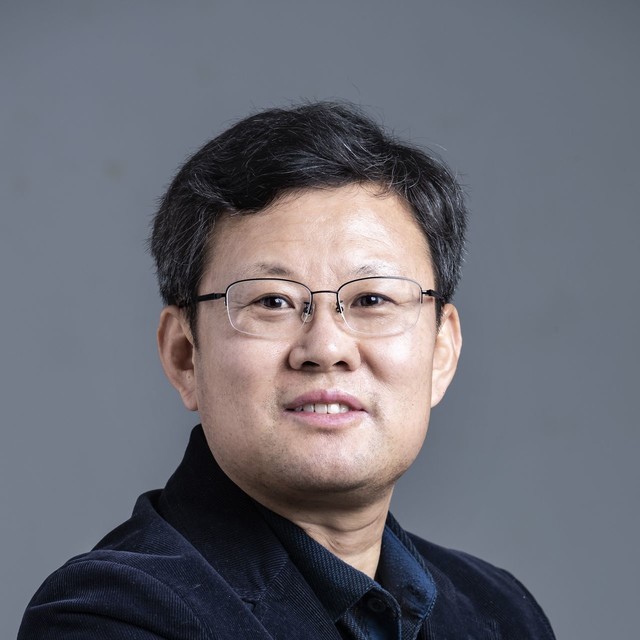
[Panel]
Young Yu Yang
Distinguished Professor of Department of Media & Communication at Dankook University