| Background of Discussion
To address the digital divide and promote equity and inclusion as we realize the digital education transformation, this session will broadly discuss how we can leverage AI to realize education for all, including the use of AI in education, effectiveness analysis, evidence-based policy formulation, and global collaboration.
| Session Objectives

This session aims to...
1. identify key areas where global collaboration can significantly enhance the adoption and impact of AI in education, including knowledge sharing, policy formulation, capacity building, technology transfer, and addressing ethical issues.
2. share promising experiences and lessons for global collaboration in leveraging AI in education and/or digital education.
3. explore the anticipated roles and responsibilities of the Global Education Innovation Alliance(GEIA) to promote and support global collaboration in the use of AI for education.

| Discussion Points
1
- Discuss the importance of leveraging research and knowledge exchange among countries, international organizations, and the private sector.
- Explore strategic public-private-academic partnerships to address shared challenges and capitalize on advantages of AI in education.
- Discuss how to establish key performance indicators (KPIs) for monitoring and evaluating (M&E) the outcome of AI-supported education.
2
- Discuss the direction for developing policies and guidelines through bilateral or multilateral policy collaboration for successful adoption of digital technology.
-Discuss how to create an enabling environment for AI in education by addressing digital infrastructure, data management and security, and capacity building.
- Explore the policy support measures for building ecosystems for AI in education in partner countries.
3
- Discuss the importance of engaging and empowering teachers and students in shaping future education with AI.
- Highlight the importance of enhancing international cooperation to share knowledge and emerging good practices and explore concrete measures to utilize AI in education for both teachers and students.
| Speaker

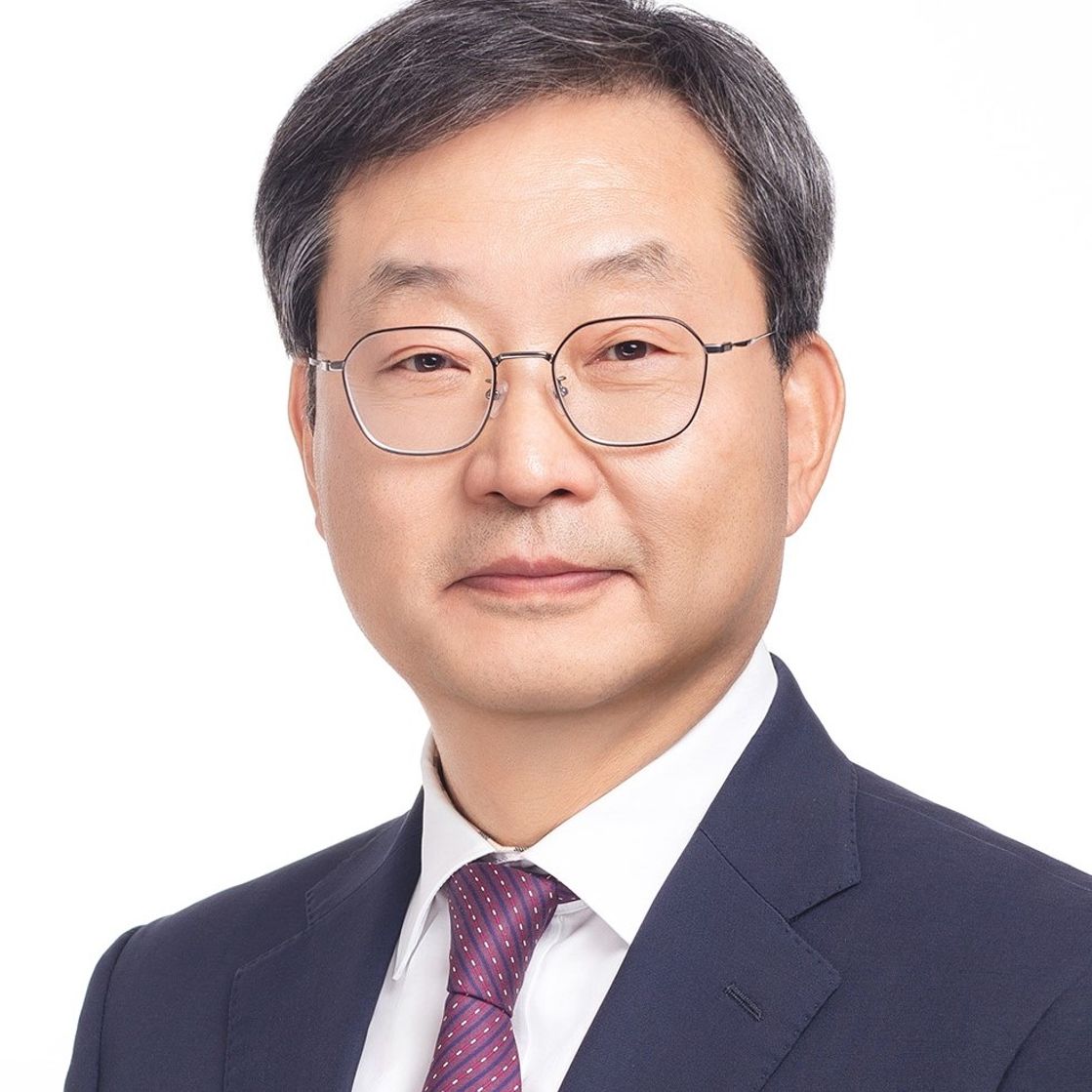
[Moderator]
Sang-gue Park
Former President of Chung-Ang University
[Presenter]
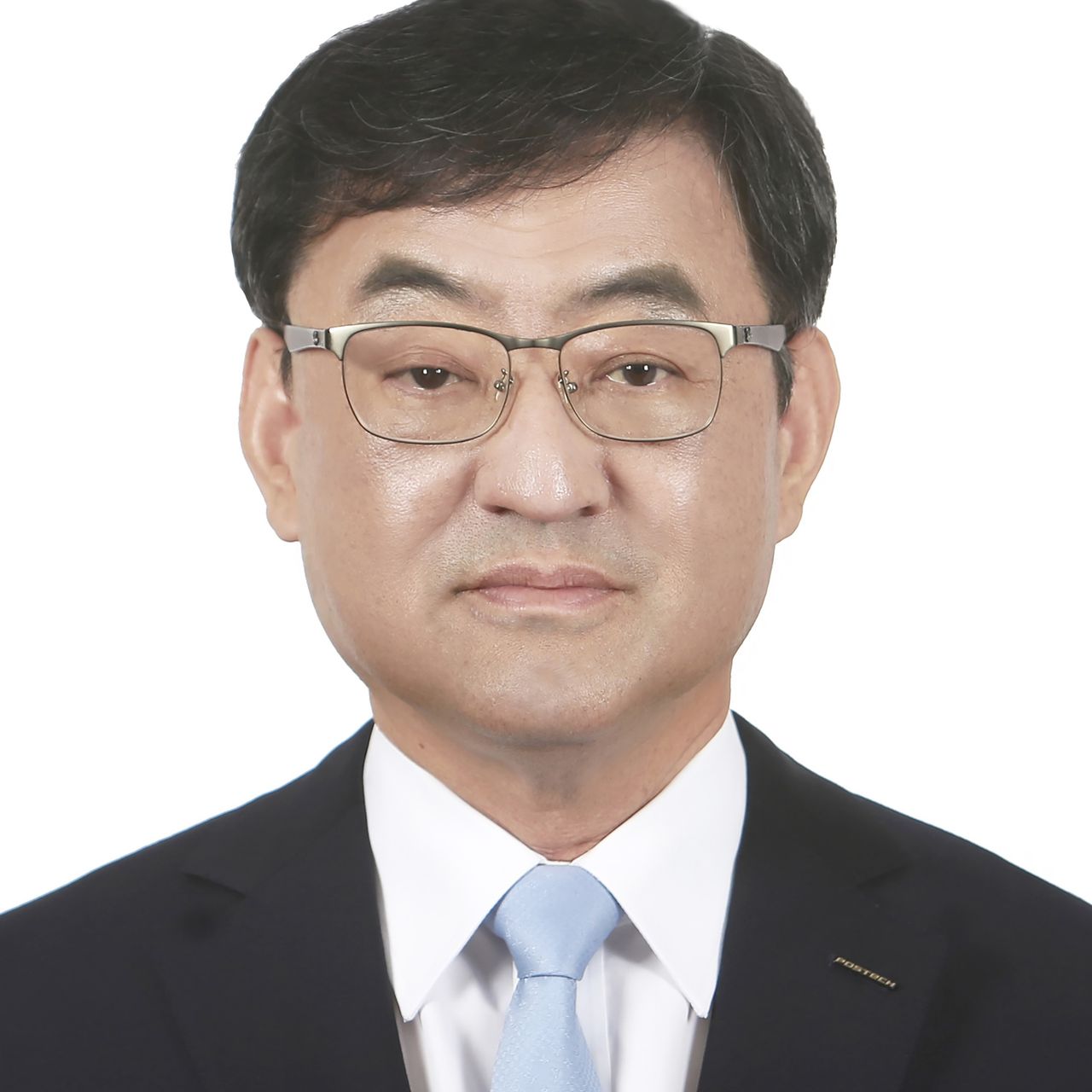
Jin Taek Chung
Chairman of Daegu Gyeongbuk Institute of Science and Technology (DGIST)
[Panel]
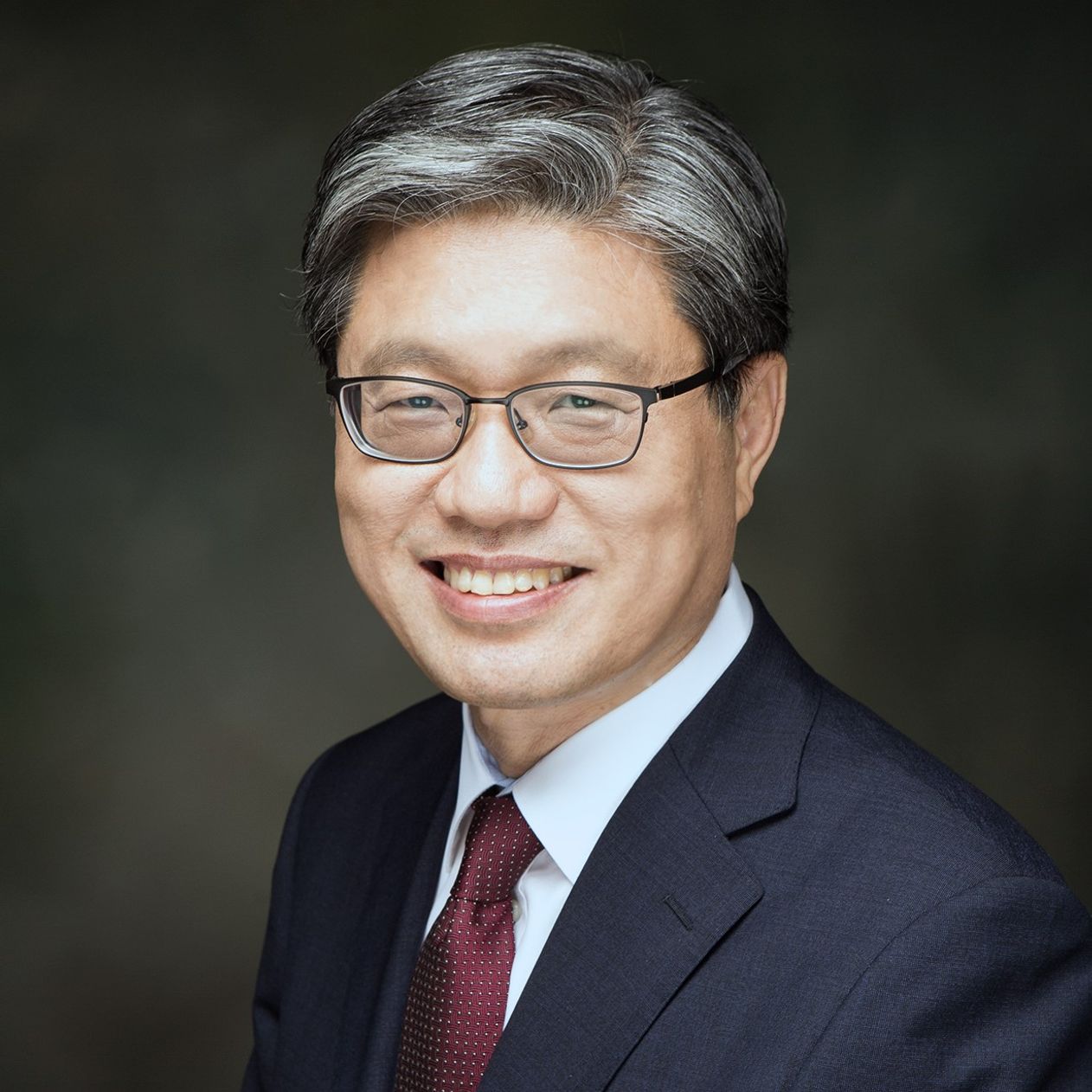
Moo Hwan Kim
Former President of Pohang University of Science and Technology (POSTECH)
Deog Seong Oh
President Emeritus, Woosong University

In Sung Hwang
Secretary General of the Korean Association of Private University Presidents

Engineering a Talent Powerhouse
This session looks at how universities and evaluation systems must change to develop AI-era talent — and how universities can become engines of regional and industrial innovation.

University should be more than a path to a degree. This topic discusses how to help students ask their own questions and create value with what they know — through interdisciplinary education and stronger creativity and communication skills.
As industries change fast, universities need more flexibility. This topic looks at how to reform regulations on admissions, curricula, and academic operations — while balancing university autonomy with accountability.
Through education, research, industry partnerships, and regulatory reform, can universities become hubs that solve local problems and create new industries and jobs?

[Moderator]
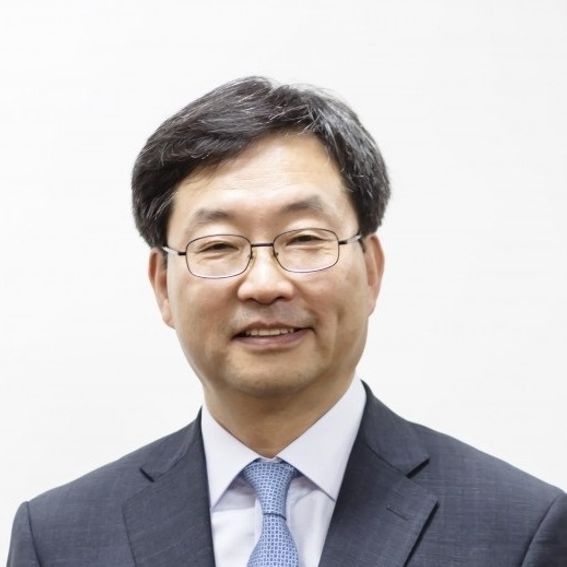
Sang-gue Park
Former President of Chung-Ang University
[Presenter]
Jin-taek Chung
Chairman of Daegu Gyeongbuk Institute of Science and Technology (DGIST)
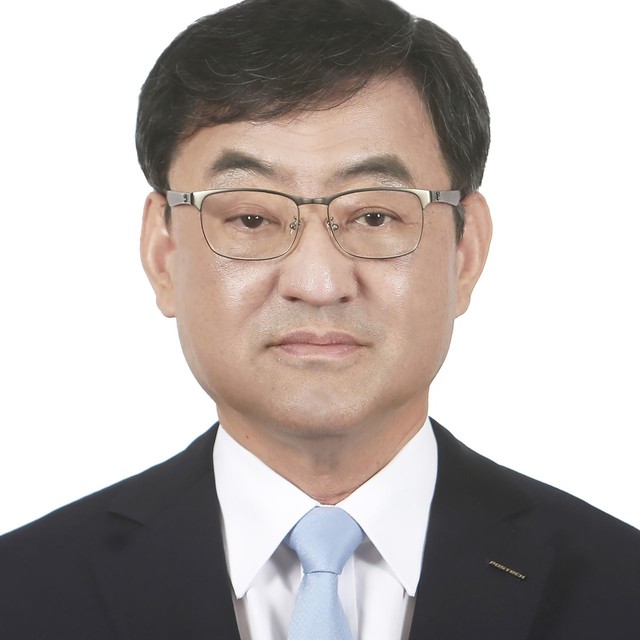
[Panel]
Moo Hwan Kim
Former President of Pohang University of Science and Technology (POSTECH)
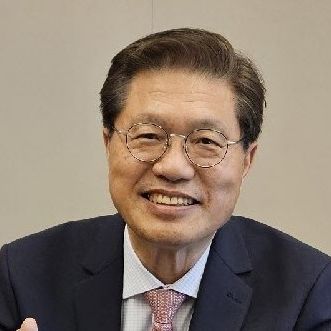
[Panel]
Deog Seong Oh
President Emeritus at Woosong University

[Panel]
In Sung Hwang
Secretary General of the Korean Association of Private University Presidents